 IFK Göteborg Hub
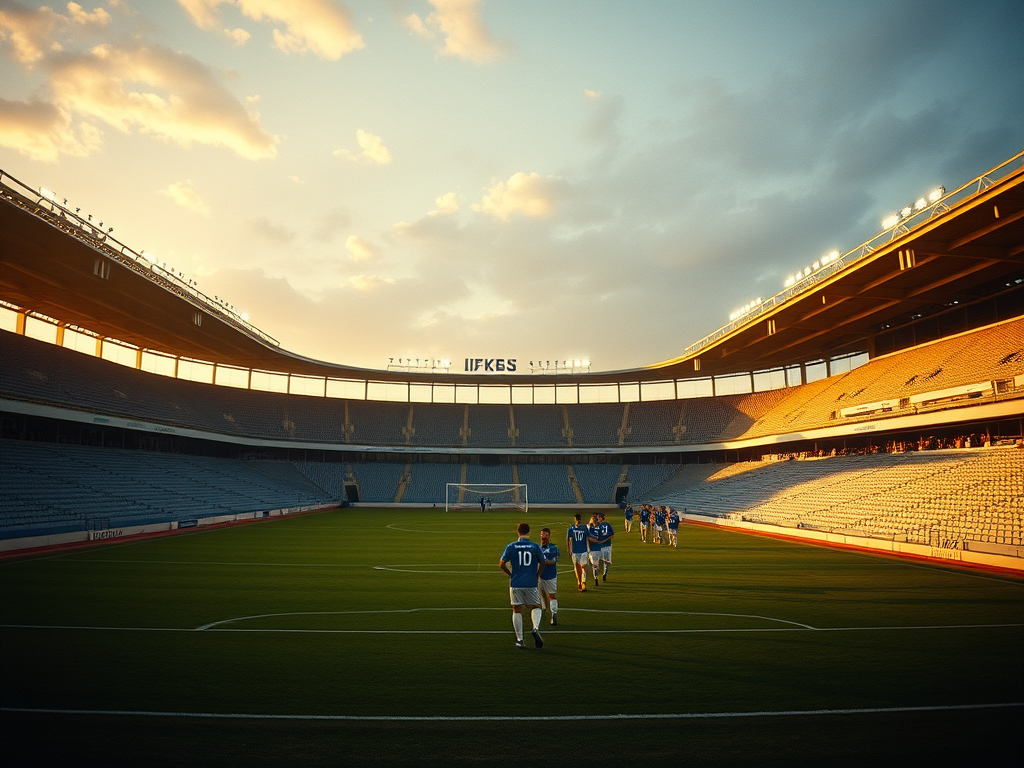
In the late summer of 1982, IFK Göteborg found themselves facing one of the most significant matches in the club's history. With a loyal group of supporters behind them and a desire to prove themselves on the European stage, the team rose to the challenge against the French giants, St. Étienne, in the quarterfinals of the European Cup. The match took place at the legendary Stade Geoffroy-Guichard, known for its electric atmosphere created by home supporters.
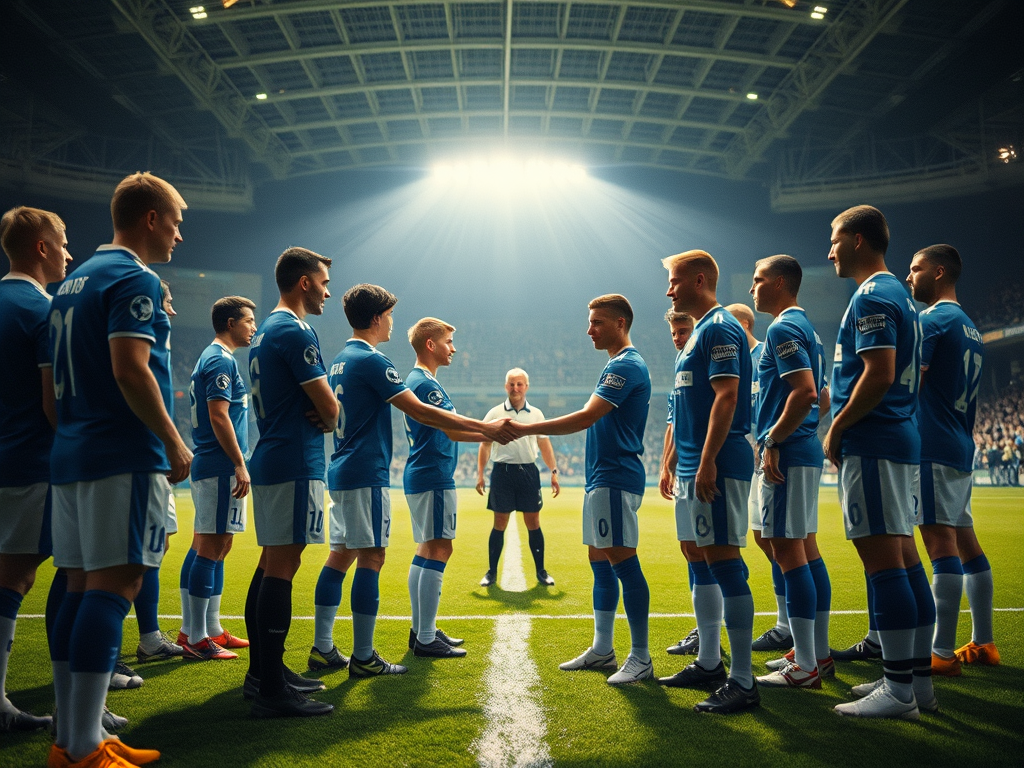
Blåvitt, under the guidance of charismatic coach Aage Hareide, had prepared meticulously for this challenge. The team boasted a strong defensive structure and explosive offense, with players like Mats Gren and Thomas Ravelli showcasing their ability to handle the pressure. In the first leg, Blåvitt managed to hold St. Étienne to a draw, giving them a glimmer of hope for the return match at home in Ullevi.
The return match, played on April 28, 1982, became an event that no one present would forget. With a packed Ullevi, where supporters sang and cheered like never before, an atmosphere of unbeatable unity was created. Blåvitt took an early lead in the match, putting pressure on the French side. In front of a devoted Gothenburg crowd, the team displayed unwavering determination and fought for every inch on the pitch.
The goal that would become historic was scored by Mats Gren, who with a well-placed shot in the 35th minute netted the second goal of the match. St. Étienne desperately tried to respond, but Blåvitt's defense was like a wall, managing to keep a clean sheet throughout the match. When the referee blew the final whistle, jubilation erupted at Ullevi. IFK Göteborg had defeated St. Étienne 2-0 and advanced to the semifinals of the European Cup.
This victory was not just a performance on the field; it was a symbol of what Swedish club football could achieve in Europe. IFK Göteborg's successes inspired a generation of players and supporters, cementing the club's place in Swedish football history. Decades later, Blåvitt's triumph in the 1982 European Cup remains a source of pride and inspiration for all who wear the blue and white jersey.
At a time when Swedish football was often seen as inferior to the major European leagues, Blåvitt showed that with hard work and belief in themselves, they could reach unforeseen heights. This historic victory became part of the club's DNA and continues to shape their identity to this day.