 IFK Göteborg Hub
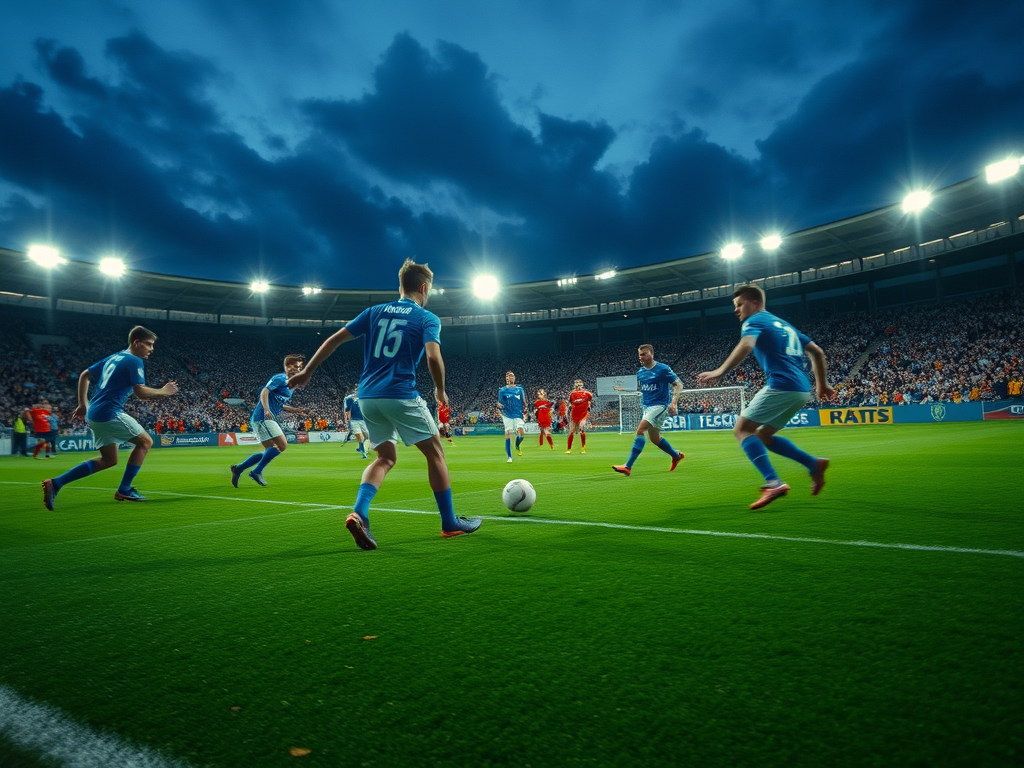
In recent matches, Blåvitt has struggled with a lack of creativity in their offense, leading to a series of draws. One of the most noticeable aspects of their play has been the inadequate build-up of attacks, where midfielders often find it difficult to connect with the forwards. To address this, Kim Hellberg might consider introducing a more flexible midfield formation, perhaps by adopting a 4-2-3-1 setup.
In this formation, central midfielders would take on a more defensive role, allowing one of them to act as a playmaker. This would provide more support to the forwards and enable quick, creative transitions. Additionally, it may be worth reviewing the extremities in the attacking play, where full-backs could be given more freedom to participate in the offense. By allowing them to overlap with wingers, the team can create more overloads on the flanks, increasing their chances of scoring.
Defensively, Blåvitt has also shown weaknesses. The team has struggled to handle quick counter-attacks, resulting in unnecessary goals conceded. One solution could be to implement a slightly more compact defensive line, with center-backs positioned closer together to minimize the spaces for the opposing players to exploit. Furthermore, a defensive midfielder acting as a bridge between the defense and midfield can help speed up transitions and shut down the opponent's attacks.
Another aspect to consider is player rotation. Blåvitt has a deep squad, and giving players a chance to prove themselves can increase competition for places. This can help keep players fresh and motivated. Rotating key players, especially those who have had a tough period, can also provide them with new energy and perspective.
In conclusion, it is crucial for Blåvitt to adapt to the tactical demands of Allsvenskan. With a strategic restructuring of both offense and defense, along with increased rotation among players, the team can hopefully regain its strength and start climbing the table again.